
Introduction
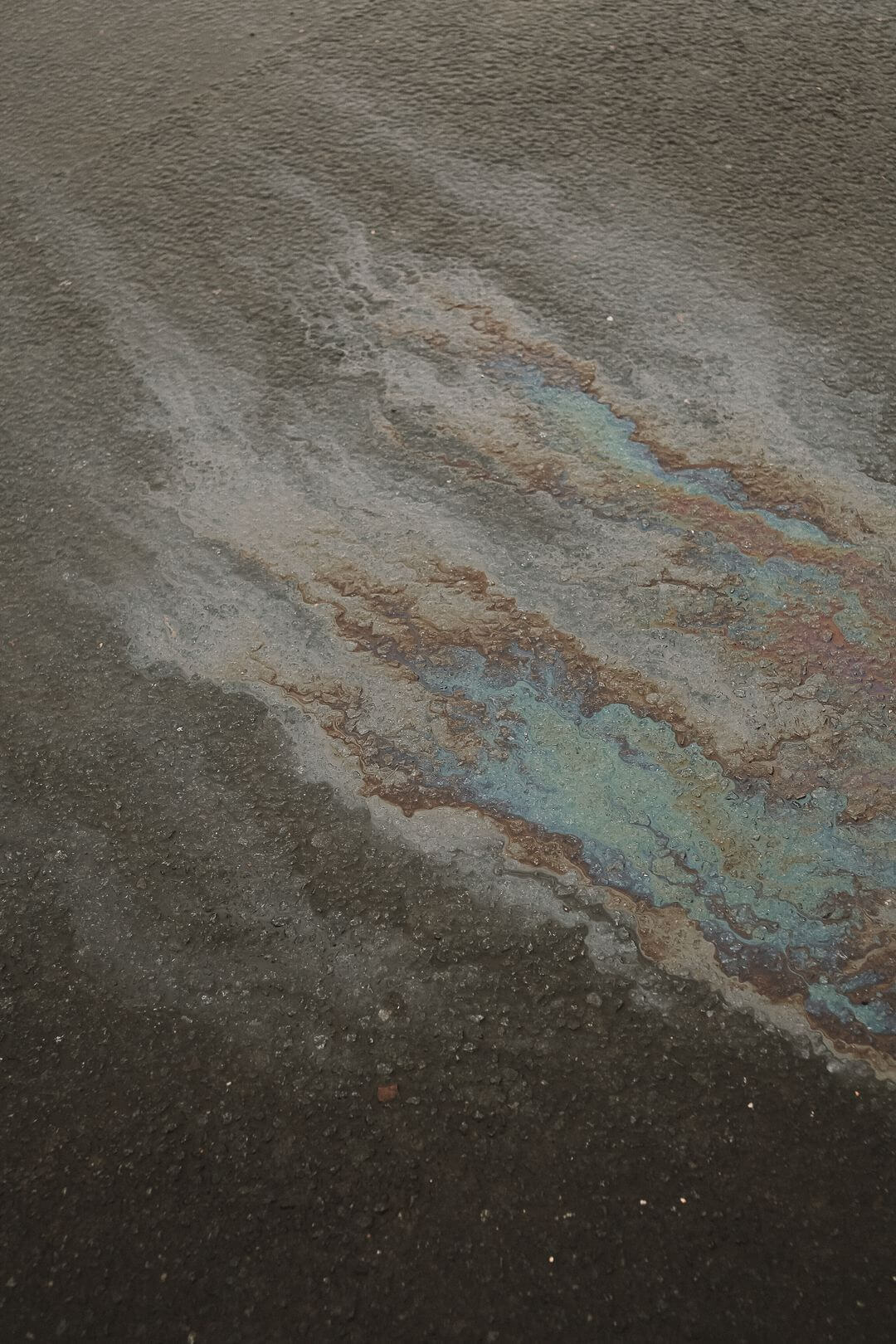
Oil stains can make even a well-maintained driveway look dirty and neglected. Whether they come from leaking vehicles, engine maintenance, or accidental spills, these dark marks can be difficult to remove with ordinary soap and water. Because concrete is porous, oil can penetrate its surface and leave stubborn discoloration behind.
This is where concrete pressure washing can help. Using the right equipment, cleaning solutions, and techniques, professionals can loosen accumulated grime and remove many common oil stains from concrete driveways.
For homeowners in Miami, regular driveway cleaning is especially useful because frequent rain, humidity, and outdoor exposure can contribute to dirt buildup and organic growth. At Super Clean Pressure Washing 305, we help property owners maintain cleaner, more attractive exterior surfaces with professional pressure washing services.
Why Are Oil Stains So Difficult to Remove from Concrete?
Concrete may look solid and smooth, but it contains tiny pores that can absorb liquids. When oil drips from a parked vehicle, it can seep into these pores instead of remaining on the surface.
The longer the oil remains, the more difficult the stain may become to remove. Heat and vehicle traffic can also contribute to the problem by spreading the oil or driving contaminants further into the surface.
Ordinary rinsing often removes loose dirt but may not break down oily residue. Effective concrete pressure washing typically combines appropriate cleaning agents, mechanical cleaning, and controlled water pressure to help lift contaminants from the concrete.
How Concrete Pressure Washing Removes Oil Stains
Professional concrete cleaning involves more than simply directing a powerful stream of water at a stain. The cleaning method depends on the stain’s age, severity, and location.
1. Assessing the Stain
The first step is identifying the affected area and determining how deeply the oil may have penetrated the concrete.
Fresh spills are generally easier to address than old, dark stains that have remained for months or years. The technician can then select an appropriate cleaning approach for the surface.
2. Applying a Suitable Degreaser
Oil does not mix easily with water, which is why rinsing alone may not be effective.
A concrete-compatible degreaser can help loosen oily residue and make it easier to remove. The product should be selected and applied according to its instructions, including any required dwell time and surface precautions.
Using the right cleaning solution is an important part of successful concrete pressure washing, especially when dealing with automotive oil and grease.
3. Using Controlled Water Pressure
Once the cleaning solution has had time to work, professional equipment can help remove loosened oil, dirt, and residue.
The technician adjusts the pressure and cleaning technique according to the concrete’s condition. Excessive pressure or an unsuitable nozzle can damage the surface, leaving marks or an uneven appearance.
Proper technique helps achieve a more consistent result while protecting the driveway.
4. Rinsing and Inspecting the Surface
After cleaning, the area is rinsed and inspected to determine how much of the stain has been removed.
Some stains may require another treatment. Older oil stains can leave discoloration even after thorough cleaning because oil may have penetrated deeply into the concrete.
Professional cleaning can significantly improve the appearance of many stained driveways, but complete removal cannot be guaranteed in every case.
Can Pressure Washing Remove Old Oil Stains?
Yes, concrete pressure washing can improve the appearance of many old oil stains, but results depend on how long the oil has been present and how deeply it has penetrated the concrete.
Fresh spills are generally easier to clean because the oil has had less time to soak into the material. Older stains may need repeated degreasing treatments or specialized cleaning methods.
In some cases, a faint shadow may remain after cleaning. This does not necessarily mean the service was unsuccessful; it may indicate that the remaining discoloration is embedded in the concrete.
For the best results, address oil spills as soon as it is safe to do so. Absorbent materials may help remove excess oil before it spreads, but avoid washing oil directly into storm drains.
Why Miami Homeowners Should Keep Their Concrete Driveways Clean
Miami’s climate exposes driveways to heat, humidity, rain, and everyday outdoor debris. Along with vehicle oil, concrete surfaces can accumulate tire marks, dust, mud, algae, and other contaminants.
Routine pressure washing Miami FL services can help remove this buildup and maintain a cleaner-looking property.
A clean driveway can also improve the overall appearance of your home’s exterior. Since the driveway is often one of the first features visitors notice, removing dark stains and grime can make a meaningful difference in curb appeal.
Regular cleaning also makes it easier to identify cracks, surface deterioration, and other maintenance issues that may otherwise go unnoticed beneath accumulated dirt.
Signs Your Concrete Driveway Needs Professional Cleaning
Not every driveway needs immediate cleaning, but certain signs indicate that it may be time to schedule a service.
Look for the following:
- Dark oil spots beneath parked vehicles
- Greasy patches that remain after ordinary rinsing
- Black tire marks and accumulated road grime
- Green algae or dark organic growth
- Uneven discoloration across the concrete
- Dirt buildup around driveway edges and joints
If you notice several of these problems, concrete pressure washing may help restore a cleaner, more uniform appearance.
DIY Cleaning vs. Professional Concrete Pressure Washing
Homeowners sometimes try to remove oil stains with dish soap, household cleaners, or a rented pressure washer. These methods may help with light surface contamination, but deeply embedded oil often requires a more targeted approach.
DIY pressure washing also comes with risks. Using too much pressure can etch concrete, create visible stripes, or damage already weakened areas. Some cleaning chemicals can harm nearby plants or contaminate runoff if used improperly.
Professional technicians have access to commercial equipment and specialized cleaning products designed for exterior surfaces. They can also adjust their approach based on the condition of the driveway and the type of stain.
For stubborn oil stains, hiring a professional can save time and help avoid unnecessary surface damage.
How Often Should You Schedule Concrete Driveway Cleaning?
The ideal cleaning schedule depends on how frequently you use your driveway and how quickly it accumulates dirt.
Many residential driveways benefit from cleaning approximately every six to twelve months. Properties with frequent vehicle traffic, nearby trees, heavy moisture, or recurring oil leaks may require more frequent attention.
However, you do not need to wait until your next scheduled cleaning to address an oil spill. Promptly absorbing excess oil and arranging suitable cleaning can help prevent the stain from becoming more difficult to remove.
Routine driveway pressure washing can keep the surface looking presentable while helping manage everyday dirt and grime.
Why Choose Super Clean Pressure Washing 305?
At Super Clean Pressure Washing 305, we help Miami homeowners and businesses maintain cleaner exterior surfaces through professional pressure washing services.
We understand that oil stains, grime, and weather-related buildup can affect the appearance of concrete driveways. Choosing an appropriate cleaning method is essential for removing contaminants while avoiding unnecessary damage.
Whether your driveway has visible oil spots or simply needs routine maintenance, professional cleaning can help improve its appearance and keep your property looking well cared for.
Contact Super Clean Pressure Washing 305 today to request a free quote for your concrete cleaning needs.
Conclusion
Oil stains can be difficult to remove because concrete absorbs liquids through its porous surface. Concrete pressure washing, when combined with a suitable degreaser and the correct cleaning technique, can remove many oil stains and significantly improve the appearance of a driveway.
Fresh spills are generally easier to treat, while older stains may require additional cleaning and can leave some residual discoloration. Regular maintenance and prompt attention to spills can help prevent stains from becoming more difficult to manage.
If your Miami driveway has stubborn oil spots, tire marks, or accumulated grime, Super Clean Pressure Washing 305 can help you restore a cleaner, more attractive exterior.
Get in touch today for a free quote and discover how professional pressure washing can improve your driveway’s appearance.
FAQs
Can concrete pressure washing remove oil stains completely?
Concrete pressure washing can remove many oil stains, but deeply embedded or older stains may leave some discoloration.
What is the best way to remove fresh oil from a concrete driveway?
Absorb excess oil promptly with a suitable absorbent material, then use an appropriate concrete cleaner according to its instructions.
Is pressure washing safe for concrete driveways?
Yes, when the correct pressure, nozzle, and cleaning technique are used for the concrete’s condition.
How often should I pressure wash my concrete driveway?
Many residential driveways benefit from cleaning every six to twelve months, depending on use and environmental exposure.
Does pressure washing remove tire marks as well as oil stains?
Yes, professional concrete cleaning can remove many tire marks and surface contaminants, although results depend on the type and severity of the marks.


